
Introduction: The Unfinished Story
If you’ve had a baby, you know the drill:
You bring your newborn home, you focus all your energy on feeding, sleeping (or not sleeping), and adjusting to your new life. Six weeks later, you head to your OB’s office for your postpartum check-up.
They measure, they check for bleeding, maybe glance at your C-section incision or your stitches, and then-almost casually-they say:
“You’re good to go.”
But here’s what’s missing: No one explains how to actually rebuild your body after pregnancy and birth.
No one tells you how to restore your core, retrain your breathing, or reconnect with your pelvic floor.
And so, thousands of women are sent back into daily life with bodies that are technically “healed” on paper, but are still struggling in reality.
What the Six-Week Check-Up Covers
Your OB is there to make sure:
- Your uterus has returned to its pre-pregnancy size
- You’re not experiencing postpartum infection
- Vaginal bleeding is under control
- C-section or perineal incisions are healing
- Contraception options are discussed
This is important. These are medical safety checks.
But postpartum healing is about function, not just survival-and that’s where the gap lies.
The Gaps in Conventional Postpartum Care
What most OB visits don’t address:
1. Core Integration and Integrity
Pregnancy stretches and changes how your deep core functions. And your deep core is more than just one muscle, it’s a system made up of your transverse abdominis (your body’s built-in corset), pelvic floor (the base of support), diaphragm (the top of the core canister), and the multifidi (small spinal stabilizers). Together, these structures create stability and manage pressure with every breath, lift, or movement.
When this system is disrupted during pregnancy and birth, you may experience instability, back pain, or lingering diastasis recti. Restoring both the activation and integrity of these muscles — along with retraining pressure control lays the foundation for safe movement, healing, and long-term strength.
2. Breath Retraining
Your diaphragm, the top of your core canister, stretches during pregnancy and often changes how you breathe. Instead of expanding fully into your ribs, belly, and back, you may find yourself taking shallow breaths into your chest. This shift throws off the balance of the entire core system.
Re-training your breath restores that 360° expansion, allowing your diaphragm, core, and pelvic floor to work together again. Breath truly is the foundation for core stability, pelvic floor function, pressure management, and even emotional regulation
3. Pelvic Floor Healing
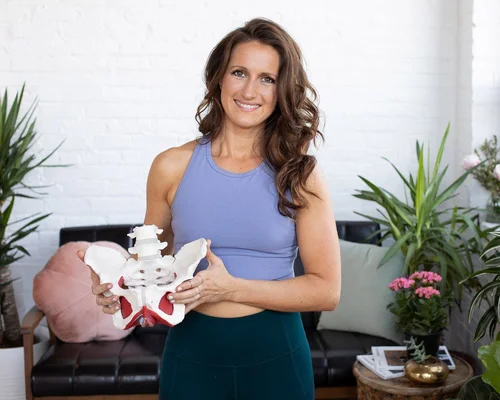
The pelvic floor is the base of the core canister, and it rarely bounces back automatically after birth. These muscles may be tight, weak, or both — and they often lose the endurance needed to support you all day long.
Because the pelvic floor works as part of the core system, it needs to contract, relax, and coordinate with your diaphragm, transverse abdominis and multifidi. Without retraining, you might notice leaking, heaviness, or discomfort. Targeted rehabilitation restores strength, control, and stamina so the whole canister works smoothly again
4. Body Mechanics and Movement Confidence
You’re told you can “return to exercise,” but no one explains how. Jumping straight back into pre-pregnancy workouts or running without rebuilding the foundation can cause injury or worsen symptoms. Safe recovery includes relearning how to lift, carry, bend, and move in daily life without straining healing tissues. Practicing good body mechanics protects your deep core system, reduces symptoms, and builds confidence to return to higher-impact workouts, running, or sport.
5. Returning to Exercise and Intimacy
Being “cleared” at six weeks doesn’t mean your core system is ready for everything. Jumping back into pre-pregnancy workouts — or resuming sex without rebuilding the foundation — can cause pain, injury, or worsen symptoms. With the right progression, you can return to both movement and intimacy safely, comfortably, and with confidence.
6. . Emotional Recovery
Physical healing is only part of the picture. Postpartum is also a mental and emotional transition. Supporting your identity shifts, body image, and sense of connection helps you feel whole in this new chapter. True recovery honors both your physical and emotional wellbeing
The Real-World Symptoms Women Are Left With
Because these areas aren’t addressed, women often live with:
- Leaking when sneezing, laughing, or exercising
- Pelvic heaviness or prolapse symptoms
- Abdominal separation that never seems to close
- Lingering back or hip pain
- Pain with intimacy
- Feeling disconnected from their body
These aren’t just inconveniences-they’re signs your body needs continued care.
How Dr. Jessica Fills the Gap
When I work with women postpartum, I don’t stop at “You’re medically safe.” I ask:
“Can you do the things you want to do without pain, leaking, or fear?”
Here’s what I focus on that your OB likely doesn’t have time (or training) to address:
1. Core and Pelvic Floor Assessment
We look at muscle strength, endurance, coordination, and alignment-how your body is actually functioning.
2. Breath and Pressure Repatterning
I teach you how to reconnect breath to movement and manage pressure so you can lift, bend, and play without strain.
3. Progressive Strengthening
We rebuild from the inside out-deep core first, then outer muscles-so you can return to your favorite workouts (and sport) safely and confidently..
4. Daily Life Integration
It’s not just about exercises. We train you to move well during diaper changes, stroller pushing, carrying groceries, or lifting a car seat.
5. Return to Intimacy & Confidence
Postpartum recovery isn’t only physical. I help you restore comfort, trust, and confidence in your body — whether that’s for daily movement, workouts, or intimacy
6. Education & Advocacy
I explain what’s happening in your body and why-because when you understand your recovery, you can make better choices and feel more confident.
Why This Matters for Your Long-Term Health
Ignoring these gaps can lead to chronic issues years down the road-like prolapse, incontinence, and back pain that shows up in your 40s or 50s.
Addressing them now means:
- Stronger, more stable movement patterns
- Better pelvic health for life
- More confidence and freedom in your body
The Bottom Line
Your OB’s role is vital, but it’s not the whole story. True postpartum recovery means going beyond clearance and investing in rebuilding your body.
You deserve to feel strong, supported, and informed-not dismissed because “everything looks fine.”