You’re not alone if you’ve felt a tightness in your chest and a nagging question in the back of your mind: What’s happening to my body? After birth, a lot changes, and it’s not just about the visible aftermath. The pelvic floor bears the weight of everything, and what you can’t see often matters more than what you can. It’s the unsung hero of your core, but it’s also a place of mystery and misunderstanding, especially when it comes to healing. Whether you’re sharing laughs with friends or chasing after your toddler, something feels off, and it’s time to address it head-on.
What Happens to Your Pelvic Floor After Birth?
Pregnancy and delivery change your entire pressure system.
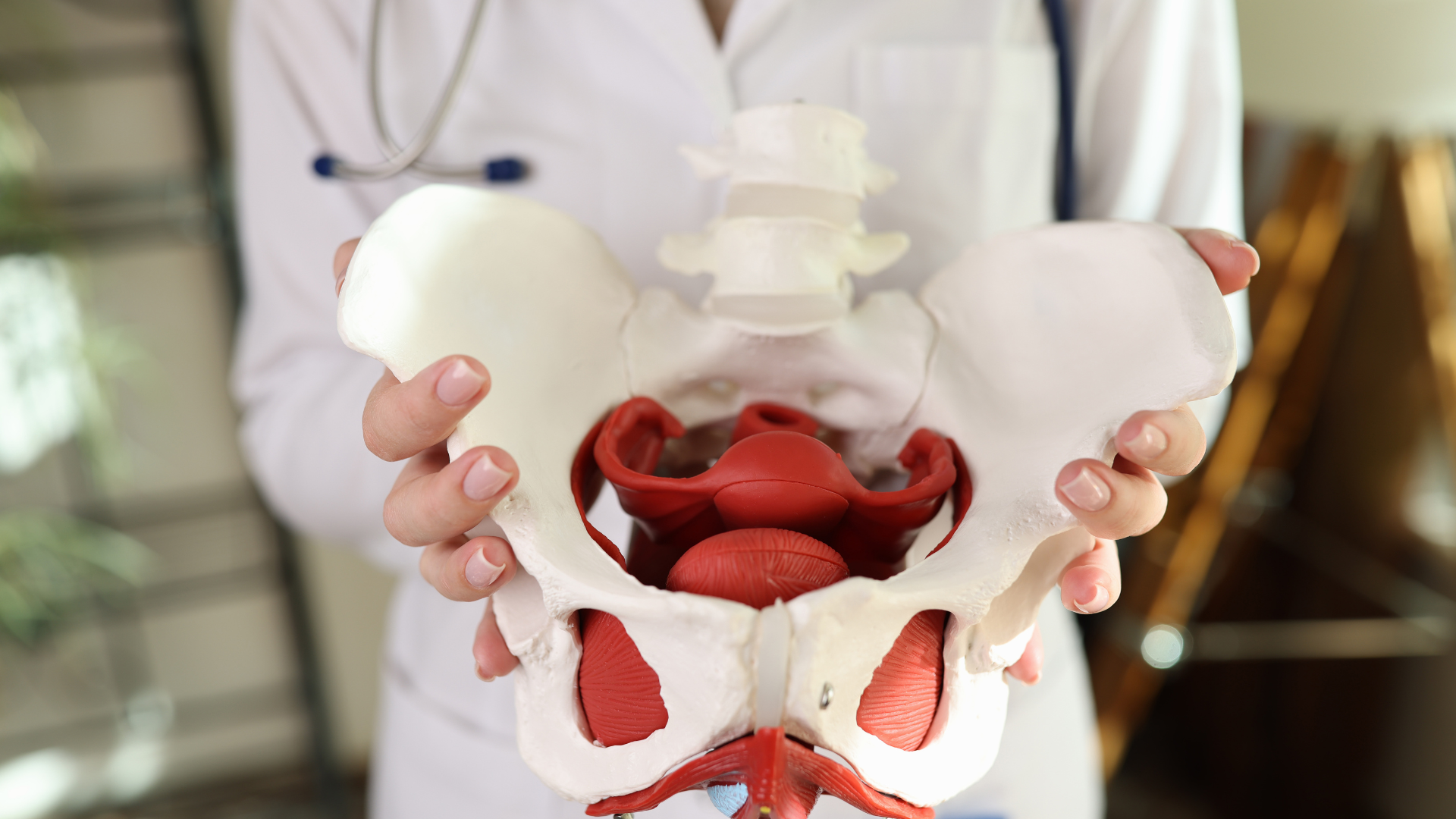
Your pelvic floor muscles:
- Stretch under the weight of pregnancy
- Absorb force during vaginal birth
- Compensate for abdominal wall changes after C-section
- Experience hormonal shifts that affect connective tissue integrity
At the same time, your abdominal wall lengthens and the ribcage often shifts upward and outward. The diaphragm, deep core, and pelvic floor no longer coordinate the way they did before pregnancy.
This is not cosmetic.
It is mechanical.
Why You May Leak or Feel Pelvic Pressure After Birth
If the pelvic floor and core system do not regain coordination and strength, symptoms appear.
Common postpartum pelvic floor symptoms include:
- Leaking urine when coughing, laughing, or exercising
- Pelvic heaviness or pressure
- Pain with intimacy
- Low back pain
- Persistent abdominal separation (diastasis recti)
- Feeling unstable when lifting your baby
Every time you lift, stand, carry, or return to exercise, intra-abdominal pressure rises. If your system cannot manage that pressure effectively, the load exceeds capacity.
That’s when leaking or discomfort happens.
Up to 1 in 3 women experience urinary incontinence, and rates are higher postpartum (ACOG). The good news: pelvic floor therapy significantly improves symptoms when done properly (Dumoulin et al., Cochrane Review, 2018).
Why “Just Give It Time” Is Not Enough for Postpartum Pelvic Floor Recovery
Tissue healing occurs in the first several weeks after birth.
But healing tissue is not the same as restoring:
- Strength
- Timing
- Endurance
- Load tolerance
Without structured rehabilitation, women often compensate by:
- Bracing excessively
- Holding their breath during effort
- Avoiding impact
- Scaling back exercise indefinitely
Time alone does not rebuild coordination.
Rehabilitation does.
How Posture Affects Your Pelvic Floor After Pregnancy
Posture after pregnancy matters because it changes how pressure moves through your body.
Common postpartum posture changes include:
- Rib flare
- Increased arch in the lower back
- Forward shoulders from feeding and carrying
- Pelvis tilted forward
If the ribcage stays lifted and the pelvis tilts forward, the diaphragm and pelvic floor cannot coordinate efficiently. This increases downward pressure during lifting, coughing, and exercise.
Postpartum pelvic floor recovery must include restoring rib–pelvis alignment and trunk control — not just isolated pelvic floor exercises.
What Effective Postpartum Pelvic Floor Therapy Includes
If you’re wondering how to heal your pelvic floor after birth, recovery should include:
1. Assessment
A proper postpartum evaluation looks at:
- Pelvic floor strength and endurance
- Muscle timing
- Abdominal wall integrity
- Rib and pelvis positioning
- Breathing mechanics
- Load tolerance
You need to know what you’re rebuilding.
2. Restoring Pressure Management
Your pelvic floor responds to pressure changes.
Training includes:
- Diaphragmatic breathing
- Coordinated exhale with effort
- Proper rib–pelvis alignment
- Gradual progression in strength and load
This prepares your body for real-life movement.
3. Progressive Strength Training After Birth
Strength training is safe and protective when progressed appropriately.
Postpartum resistance training improves:
- Pelvic floor function
- Bone density
- Cardiovascular health
- Metabolic health
- Insulin sensitivity
Avoiding load long-term does not protect you.
Progressive load does.
The Goal of Postpartum Pelvic Floor Recovery
You should be able to:
- Lift your child without leaking
- Exercise without pelvic heaviness
- Cough without crossing your legs
- Return to impact safely
- Feel stable under load
Healing your pelvic floor after birth is not about “getting your body back.”
It’s about restoring capacity.
Ready for a Structured Postpartum Recovery Plan?
If you want a step-by-step approach to rebuilding your pelvic floor and core after pregnancy, B Recovered™ guides you through:
- Early healing
- Pressure control
- Strength progression
- Safe return to impact
References
- American College of Obstetricians and Gynecologists (ACOG). Urinary Incontinence in Women.
- Dumoulin C, et al. (2018). Pelvic floor muscle training versus no treatment for urinary incontinence in women. Cochrane Database of Systematic Reviews.
- American Heart Association. 2023 Heart Disease and Stroke Statistics Update.
Explore our Core Postpartum Recovery Program to begin your healing journey today. Click here